Real Carbon vs Fake: a Spotter’s Guide for the Age of Hydro-Dip
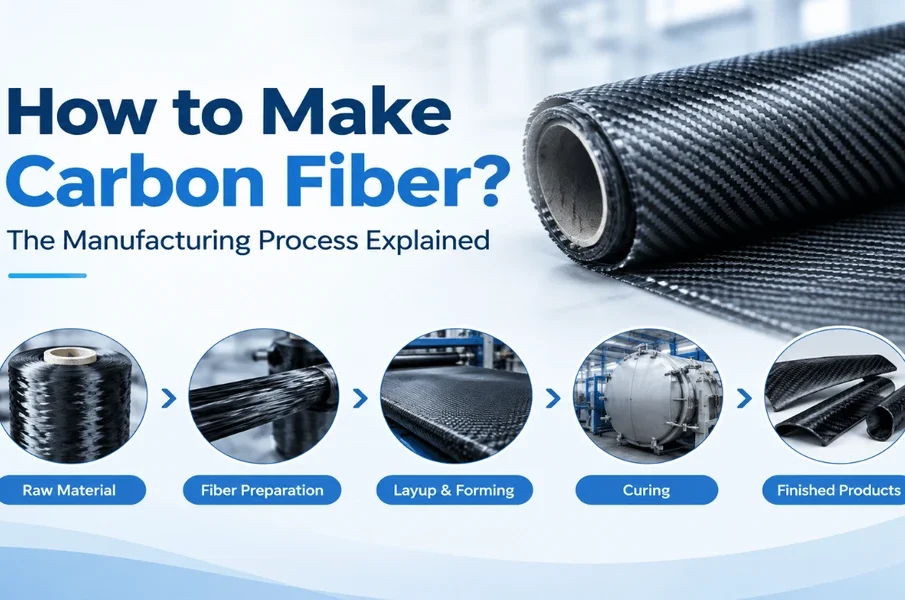
One of these is engineering. The other is a picture of engineering.
The carbon fiber look is so desirable that an entire industry exists to fake it: hydro-dipped plastic, printed vinyl wrap, carbon-look ABS trim. Some fakes are honest products sold honestly. A vinyl wrap knows what it is. The problem is the gray market, where fake carbon is sold at real carbon prices to buyers who cannot tell the difference. You are about to be able to tell the difference.
Why Fakes Exist (and When They Are Fine)
Real carbon fiber costs money because the process costs money. Woven fabric, resin, molds, curing, finishing. Faking the look costs almost nothing: print the weave pattern on film, dip a plastic part through it, clear coat, done. For a phone case or an interior trim piece where weight means nothing, a fake is a rational choice. The crime is not the fake. The crime is the price tag that lies about it.
Test One: the Weight
Real carbon’s whole reason to exist is weight. A genuine carbon fiber mirror cap feels impossibly light. Like the part forgot to include itself. A hydro-dipped plastic one feels like, well, plastic. For larger parts the test gets stronger: a real carbon hood is dramatically lighter than stock, while a fiberglass part with one cosmetic carbon layer on top often weighs more than the original. Weight is the hardest property to fake and the first one to check. The carbon fiber material basics explain why the real thing is so light.
Test Two: the Weave, Up Close
Get close, phone-camera close. Real weave has depth: individual fiber bundles you can follow with your eyes, slight texture under the clear coat, and that famous shimmer as the light shifts. Printed or dipped patterns sit on one plane. They are photographs of depth. Look for where the weave wraps around an edge: real fabric bends and the pattern follows the curve with slight distortion; fake patterns stretch or repeat suspiciously, and complex curves often defeat them entirely.
Test Three: the Back Side
Flip the part over. The back of a real carbon part shows matte, unfinished-looking fabric and resin, honest, rough, obviously structural. The back of a fake shows plastic, often with molding marks, part numbers, and the occasional telltale stamp. Sellers know this, which is why listing photos rarely show the back of the part. Asking for a photo of the back side is the single most powerful move in carbon fiber shopping.
The Deeper Cuts
- Sound: tap it. Real carbon laminate has a hard, bright, almost ceramic tap. Plastic thuds.
- Temperature: real carbon feels neutral to the touch; plastic feels warm, metal cold.
- Price: a ‘full carbon’ hood at a fraction of market price is telling you what it is. Believe it.
- The seller’s vocabulary: sellers of real parts talk about weave, layup, and curing. Sellers of fakes talk about ‘carbon look’ if pressed.
The Sneaky Middle: Skinning
One more category deserves its own warning: skinned parts. These are fiberglass or plastic cores with a single layer of real carbon fabric on the visible surface. They are real carbon the way wood-veneer furniture is real mahogany. Skinned parts pass the close-up weave test and fail the weight test, and honest sellers describe them accurately as overlay or skinned construction. They are not worthless. But they are worth less, and they should be priced and sold that way.
The Price Reality Check
One last filter that costs nothing: the price itself. Real carbon fiber parts have a floor, set by fabric cost, labor hours, and finishing. A genuine full-carbon hood cannot exist below a certain number any more than a genuine gold ring can cost eleven dollars. When a price looks like a steal, something has been left out of the product: plies, cure time, clear coat, or the carbon itself. The bargain is not a bargain. It is the confession.
When You Are Still Not Sure
If the four checks leave you uncertain, escalate politely. Ask the seller directly: is this full carbon construction, or an overlay? Ask what process made it. The vocabulary of the carbon fiber fabrication process is a shibboleth fakers rarely learn. And check reviews for photos from other buyers, because the community has seen every trick and photographs them. Honest sellers welcome all three moves. The rest reveal themselves by resisting them.
Why It Matters Beyond the Money
Spotting fakes is not just consumer defense. The fabrication process exists to produce parts that are light and strong, not parts that look light and strong. A fake hood saves no weight. A fake wing at speed is an ornament doing a structure’s job. Buy the fake knowingly for style and you lose nothing. Buy it unknowingly for performance and you paid carbon prices for plastic physics.
Weight, weave, back side, tap. Four checks, ninety seconds, no tools. The fakes are not getting better at those four things. They cannot, because those four things are the expensive part. That is rather the point.