
What Is Automatic Emergency Braking (AEB) & How Does It Work?
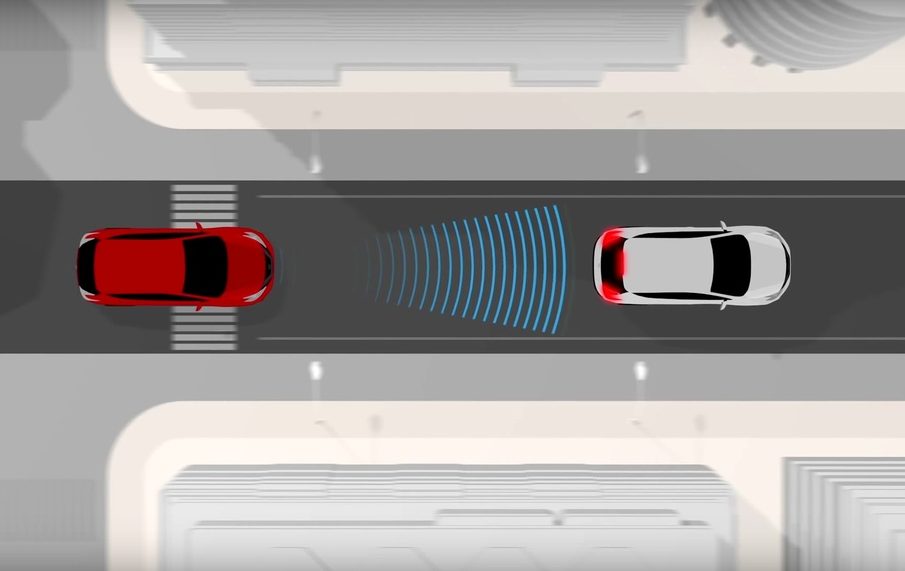
As vehicle technology continues to evolve, safety features are becoming more advanced-and more proactive. One of the most important innovations in modern vehicles is Automatic Emergency Braking (AEB).
Designed to help prevent crashes (or reduce their severity), AEB is quickly becoming a standard feature in newer vehicles. But what exactly is it, and how does it work?
What Is Automatic Emergency Braking (AEB)?
Automatic Emergency Braking (AEB) is a Collision Avoidance System (CAS) that can detect a potential collision and automatically apply the brakes if the driver doesn’t react in time.
In simple terms, AEB acts as a backup safety system-stepping in during critical moments when a crash is imminent.
Depending on the system, AEB can:
- Prevent a collision entirely
- Reduce the speed of impact
- Minimize the severity of injuries and damage
Some systems can even detect pedestrians, cyclists, and other obstacles, not just vehicles.
How Does Automatic Emergency Braking Work?
AEB works by combining sensors, software, and braking systems to constantly monitor the road ahead and react when necessary.
Sensors Monitor the Road
AEB systems rely on technologies such as:
- Radar sensors (often in the front grille or bumper)
- Cameras (typically near the windshield)
- Sometimes a combination of both
These sensors continuously scan for vehicles, pedestrians, or obstacles in front of your car.
The System Detects a Potential Collision
Using data from these sensors, onboard software calculates:
- Distance to the object ahead
- Relative speed
- Likelihood of a crash
If the system determines that a collision is likely, it prepares to act-often within fractions of a second.
Driver Warning (Forward Collision Warning)
Before automatically braking, many systems first issue a Forward Collision Warning (FCW). This may include:
- Audible alerts (beeping)
- Visual warnings on the dashboard
- Vibrations (such as steering wheel or seat feedback)
This gives the driver a chance to react and brake manually.
Automatic Braking Is Applied
If the driver does not respond-or doesn’t brake hard enough-the AEB system takes over. It can:
- Apply the brakes automatically
- Increase braking force if the driver’s input is insufficient
- Bring the vehicle to a complete stop (especially at lower speeds)
The goal is either to avoid the crash entirely or reduce impact speed, which can significantly lessen injuries.
Types of Automatic Emergency Braking Systems
Not all AEB systems are the same. Different variations are designed for different driving situations:
- Low-Speed (City) AEB: Works in stop-and-go traffic
- High-Speed AEB: Designed for highway driving
- Pedestrian Detection AEB: Identifies people crossing or near the road
- Rear AEB: Helps prevent collisions while reversing
Each system is tailored to specific environments but follows the same core principle: detect danger and respond quickly.
Why AEB Matters for Road Safety
AEB is considered one of the most impactful safety advancements in recent years. Here’s why:
- It reduces rear-end collisions, one of the most common crash types
- It helps compensate for driver distraction or delayed reaction time
- It can significantly reduce the severity of injuries in unavoidable crashes
Even when AEB cannot completely prevent a crash, reducing speed by even a small amount can make a major difference in outcomes.
Limitations of AEB
While AEB is highly effective, it’s important to understand its limitations:
- It may not detect all obstacles in every condition
- Performance can be affected by weather (rain, snow, fog)
- Some systems work best at lower speeds
- It is not a substitute for attentive driving
AEB is designed to assist-not replace-the driver.
The Future of AEB Technology
Automatic emergency braking is becoming increasingly widespread-and more advanced.
- Many newer vehicles already include AEB as a standard feature
- Future systems are improving detection of pedestrians and cyclists
- Ongoing advancements aim to make AEB effective at higher speeds and in more conditions
As adoption grows, AEB is expected to play a major role in reducing traffic injuries and fatalities.
Automatic Emergency Braking (AEB) is a powerful safety feature that helps prevent accidents by stepping in when drivers can’t react quickly enough.
By using sensors, real-time data, and automated braking, AEB adds an extra layer of protection-making roads safer for drivers, passengers, and vulnerable road users alike.
However, it’s still essential to stay alert behind the wheel. Collision Avoidance Systems (CAS) and safety technology can assist-but safe driving habits remain the most important defense against accidents.