Why Rural Drivers Get the Bigger Slice of Ireland’s EV Scrappage Budget
When the Government unveiled its ICE2EV scrappage scheme, one detail stood out for anyone living outside the cities: nearly two-thirds of the budget is being reserved specifically for rural applicants. In a country where EV incentives have often felt tailored to urban early adopters with off-street parking and short commutes, that is a notable shift and for rural households running an older diesel, it is worth paying attention to.
The headline support
The scheme, opening on 1 July 2026 and administered by the SEAI, offers a €5,000 grant for scrapping an older petrol or diesel car, combined with the existing SEAI purchase grant of up to €3,500. Together that is as much as €8,500 off a new battery electric vehicle, deducted at the point of purchase by the dealer, who handles the application for you.
Why rural gets 65%
The €10 million budget is split 65% for rural applicants and 35% for urban, decided by your Eircode using the official classification. The reasoning is practical and, frankly, overdue. Rural households drive further, have far fewer public-transport options, and are more likely to be running older, higher-mileage cars as a second or third vehicle. Car dependency is simply higher outside the cities, so the policy puts the larger share of support where the need; and the potential emissions saving – is greatest.
It also corrects a long-standing imbalance. Earlier EV supports tended to benefit urban buyers who could charge at home easily and faced shorter journeys. Ring-fencing the majority of this budget for rural applicants is a deliberate attempt to widen access.
Does your car and situation qualify?
The eligibility rules are the same wherever you live. The car being scrapped must be a petrol or diesel registered in 2013 or earlier, owned by you for at least 12 months, currently taxed and insured, with an NCT that has not lapsed by more than six months and you will need the log book. The replacement must be a new battery electric vehicle priced at €50,000 or below. Plug-in hybrids do not qualify.
For a lot of rural households, the car that does the long daily commute or the trips to the mart and the creamery is exactly the kind of older diesel the scheme is aimed at.
Addressing the rural EV worries head-on
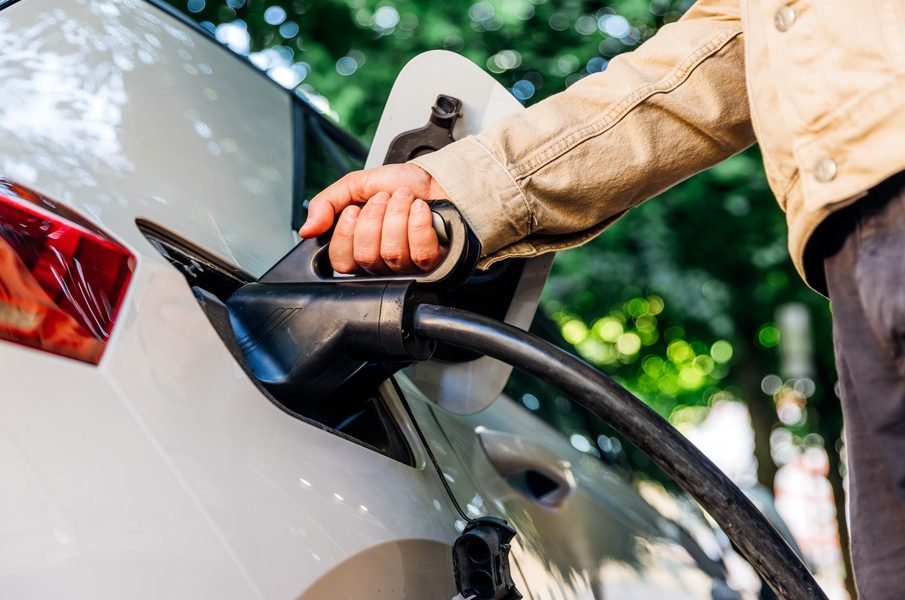
Two concerns come up constantly in rural areas: range and charging. Both are more manageable than the reputation suggests. Modern EVs offer real-world range well into the hundreds of kilometres on a charge, which covers most rural driving patterns comfortably. And for rural living specifically, the home-charging picture is often better than in towns: more homes have a driveway or yard where a charger can be installed, and the SEAI home charger grant helps with the cost. Charging overnight at home on a night rate, then simply driving off in the morning with a “full tank,” suits rural routines well.
Public charging on longer trips has also expanded considerably along major routes, so the occasional drive to a regional city or to Dublin is far less daunting than it was even a couple of years ago.
The running-cost case is stronger in the country
Because rural drivers typically clock up more kilometres, the savings on running costs land harder. Home charging costs a fraction of diesel at current pump prices, and over the high annual mileage common in rural areas, that gap compounds quickly. Add the lowest-band motor tax and reduced servicing costs, and the total cost of ownership case is often more compelling for a rural high-mileage driver than for a low-mileage urban one.
Don’t wait for the budget to run out
The catch is the same for everyone, but it bites just as hard in rural areas: this is a first-come, first-served pilot with no waiting list once the €10 million is gone. Even with 65% ring-fenced for rural applicants, that rural pot is finite. The practical advice is to confirm your eligibility and have your vehicle chosen before applications open on 1 July, rather than starting the process afterwards.
Where to begin
A good first step is to see which electric models fall under the €50,000 cap and how much combined grant each attracts, so you know your realistic options before you walk into a dealership. Manufacturer eligibility guides make this straightforward you can check how the combined grants apply across a full electric range, including the more spacious models that suit longer rural journeys, on the official scrappage scheme details for Renault’s EV line-up.
The takeaway for the country
For too long, going electric felt like an urban privilege. By weighting the budget toward rural applicants, recognising higher mileage and car dependency, and pairing the grant with a strong home-charging case, ICE2EV is one of the first EV incentives genuinely built with rural Ireland in mind. The financial logic is real; but so is the deadline. For rural drivers with an eligible old diesel, the window to act is narrow, and it opens on 1 July.