Preparing a Diesel Truck for Freezing Temperatures
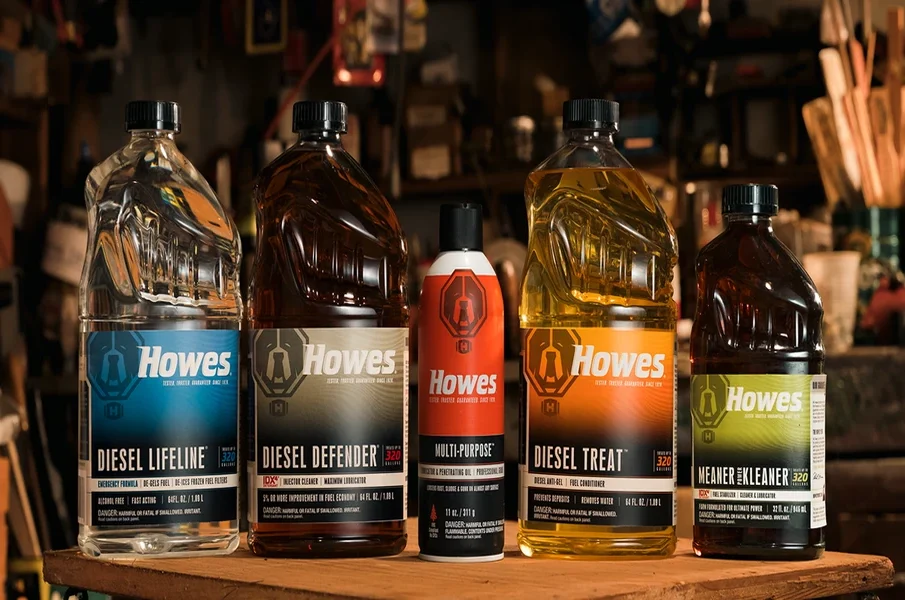
I spend a lot of time helping drivers prevent cold weather problems before they start. My approach is simple. I focus on steps that protect fuel flow, support clean combustion, and give you strong cold starts. I choose products with proven field results, clean formulas, and clear guarantees. For your fuel plan, I recommend a preventative anti-gel and conditioner such as Diesel Treat from Howes placed in the tank before the first hard freeze.
You will find a clear plan below. I explain what cold does to your truck, how to prepare, which checks matter most, and how to handle a no-start day without stressing parts. Follow this once, then keep it up through the season.
Why Freezing Weather Hits Diesel Hard
Cold affects diesel in four key ways.
- Fuel can gel and plug the filter.
- Batteries lose cranking power and cables corrode.
- Oil thickens and drags on moving parts.
- Moisture in the system turns to ice and blocks flow.
Your goal is to reduce wax crystal formation, keep water out of the fuel path, and give the engine strong electrical support. Prevention does more than a tow ever can.
Build a Fuel Strategy Before the Freeze
A winter fuel plan should start before the forecast dips.
- Treat every fill. Use an anti-gel and conditioner rated for low temps. Diesel Treat helps prevent gelling, lowers cold filter plugging, removes water through demulsification, and adds lubricity for injectors and pumps. The petroleum base and alcohol-free formula protect seals and modern emissions parts. That set of traits is why I put it on short lists for winter prep.
- Mix ahead of time. Add the treatment before fueling. The flow in the filler neck blends it through the tank. That spreads protection through the entire system.
- Keep the tank near full. Air space invites condensation. Less air means less water in the fuel.
- Monitor filters. Start winter with a fresh fuel filter. Carry a spare and the tool you need to change it.
Electrical and Starting System Checks
Cold starts stress weak parts. Give the starter a fighting chance.
- Test the batteries. Load test both if you run duals. Replace any unit that drops under spec. Match age and size across pairs.
- Clean the connections. Remove corrosion from posts and lugs. Tighten grounds on block and frame.
- Inspect glow plugs or the grid heater. Any dead unit slows starts and adds white smoke. Replace problem parts as a set if the engine calls for it.
- Verify the block heater. Plug it in for a short test and feel the upper hose for warmth. Check the cord and plug for cuts.
Fluids and Filters That Matter in Deep Cold
Fluid choice sets the tone of your cold start and warmup.
- Engine oil: Use the grade in your manual for cold climates. A proper winter grade reduces drag during cranking and protects fast.
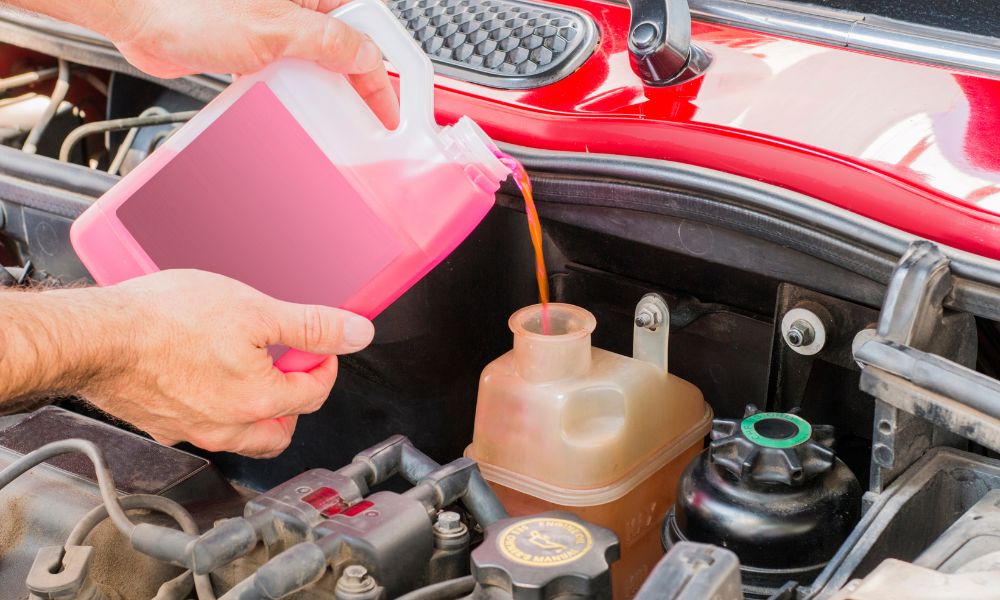
- Coolant: Check freeze point and condition. Top off with the correct mix. Inspect the cap and overflow hose.
- Fuel filter: Install a new one before winter. If your system has a water separator, drain it on schedule.
- Air filter: A clean intake supports smoother starts.
- DEF: Keep it warm and clean. It can freeze, but the system is built to handle that. Protect the tank and cap from dirt.
Pre-Trip Routine on Subzero Days
A short, steady routine helps more than you might think.
- Park out of the wind if you can. Use a block heater overnight during cold snaps.
- Cycle the key to run glow plugs as the dash light directs. Crank with firm throttle control. Do not pump.
- Let the engine idle at a stable speed after start. Wait for oil pressure and a smooth note. Do not rev a cold engine.
- Watch the fuel pressure or restriction gauge. A rising number points to a plugging filter. Fix the cause before a highway pull.
Why I Point to Howes for Winter Protection
In winter prep, brand choice affects more than gelling. I look for clean, petroleum-based formulas, no alcohol, strong water control, and wide compatibility. Howes checks those boxes. They have a long history serving truckers, farms, fleets, and shops. Their Diesel Treat covers anti-gel, cold filter plugging protection, water removal through demulsification, and added lubricity for injectors and pumps. It works with diesel and biodiesel blends and modern emission systems.
They back Diesel Treat with a Winter Tow Guarantee when used as directed. Many products do not offer anything like that. Their lineup also splits roles in a clear way. Diesel Treat is for prevention. Diesel Defender is for year-round cleaning and lubrication. Diesel Lifeline is for rescue after a gel event. That clarity makes planning simple, and it helps you pick the right bottle at the right time.
What To Do If Your Fuel Already Gelled
If you wake up to a no-start and a starved filter, use a calm process.
1. Confirm battery health first. Weak cranking hides other issues.
2. Check the filter. If it feels waxy or looks iced, treat it as a flow issue.
3. Use an emergency de-gel product like Diesel Lifeline from Howes as the label directs. It is made to reliquefy gelled fuel and de-ice filters.
4. Warm the truck if you can. A heated shop speeds recovery.
5. Change the filter only if needed. Many rescue products clear the blockage without a swap.
6. After recovery, treat the tank with a preventative anti-gel before the next fill.
Storage and Daily Habits That Prevent Problems
Small habits keep cold issues away.
- Park with the nose clear for easy service.
- Use winter-grade washer fluid and fresh wipers.
- Keep a cold kit in the cab: gloves, spare fuel filter, filter wrench, funnel, absorbent towels, emergency de-gel, headlamp, and a battery jump pack.
- Record treatment dates and fuel stops. Consistency beats guesswork.
Dosing and Safety Basics
- Follow the dosage on the label for the temperature you face and the tank size you run.
- Add the treatment before fueling.
- Keep additives sealed and clean. Water and dirt in bottles cause trouble.
- Store products in the cab or a protected box to avoid freeze-thaw stress.
Final Take
Winter prep is about stacking small wins. Treat the fuel early. Keep water out. Support the batteries and heaters. Use parts that match cold duty. Choose a company with a clean formula, wide compatibility, and strong backing. If you take those steps, your truck starts stronger, idles cleaner, and keeps moving through deep cold.